Role of AI and Automation in Shaping India's Tech Job Market
Blog5 mins to readBy Curatal Team
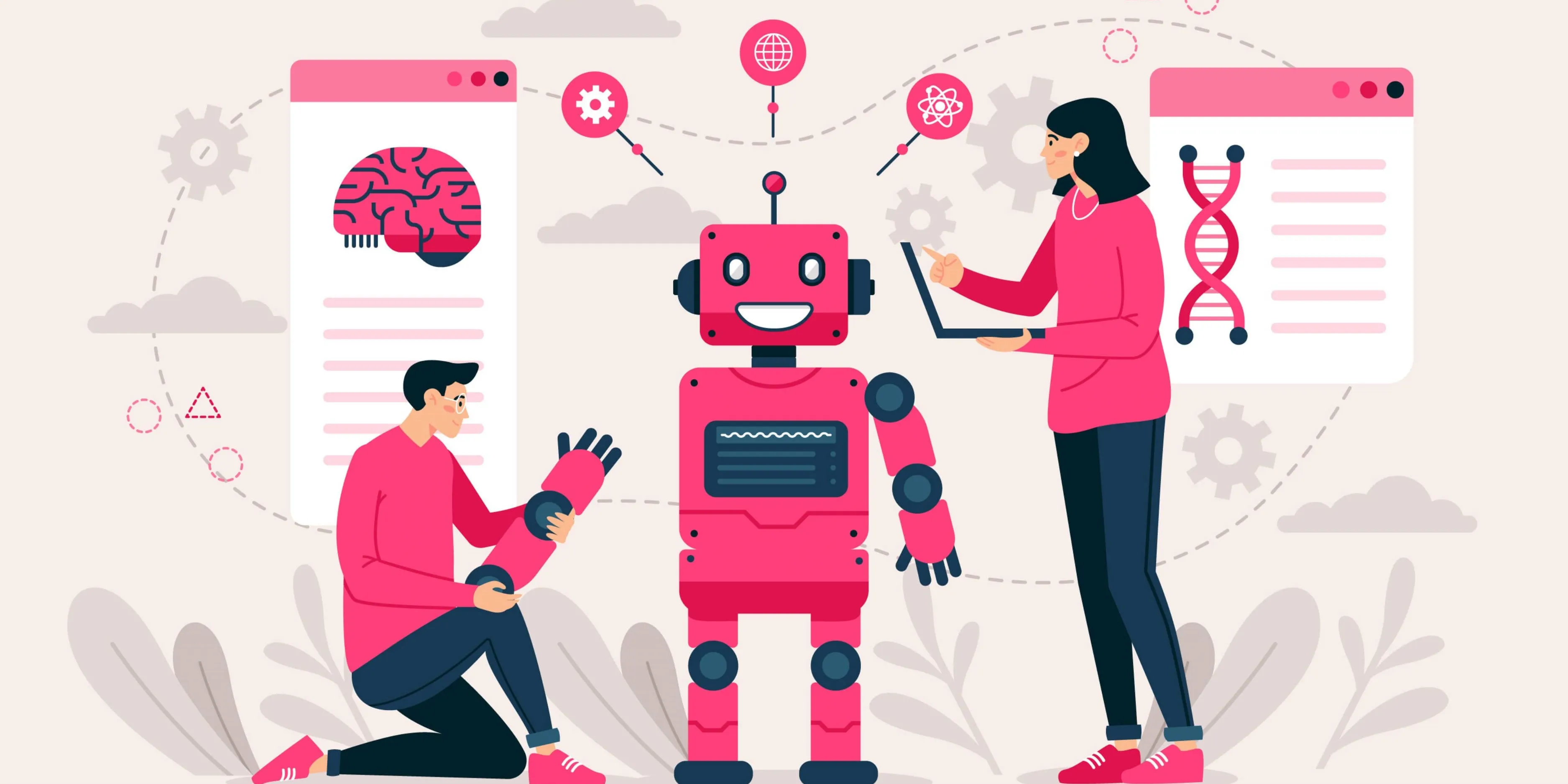
India’s technology sector has long been a powerhouse, contributing significantly to the country’s economic growth and global influence. However, the landscape of the Indian tech job market is evolving rapidly, driven by advancements in Artificial Intelligence (AI) and automation technologies. These developments are both reshaping traditional tech roles and creating new opportunities, but they also pose unique challenges to the workforce. In this article, we explore how AI and automation are influencing India’s tech job market and what it means for professionals in the industry.
Introduction
The Impact on Traditional Tech Roles
Routine Tasks Automation: Automation technologies are becoming increasingly proficient at handling routine and repetitive tasks. This includes data entry, software testing, and basic coding. As a result, jobs that primarily involve these tasks may see a decline in demand. For instance, manual software testers may find themselves replaced by automated testing tools.
Enhancing Efficiency:
While automation threatens some job roles, it also enhances the efficiency and productivity of tech professionals. AI-driven tools can help developers write better code, data scientists analyze vast datasets more effectively, and IT professionals manage complex systems with greater ease. This augmentation of human capabilities is likely to create a demand for tech professionals who can work alongside AI systems.
The Emergence of New Opportunities
AI and Data Science:
The rise of AI and machine learning has opened up a plethora of opportunities in India. Companies across sectors are harnessing the power of data to make informed decisions and create predictive models. Data scientists and machine learning engineers are in high demand to build and deploy these AI systems.
Robotics and Automation Engineering:
With automation becoming a key focus for industries, robotics and automation engineers are needed to design, develop, and maintain automated systems. India has the potential to become a hub for these technologies.
AI Ethics and Governance:
As AI and automation become more integrated into daily life, there’s a growing need for professionals who can address the ethical and legal aspects of these technologies. AI ethicists, policy analysts, and legal experts are becoming essential.
Remote Work and Global Opportunities:
Automation and AI also enable tech professionals to work remotely and tap into global opportunities. Indian tech workers can collaborate with teams from around the world, thanks to digital transformation and the rise of remote work.
Challenges and Considerations
Skill Gap:
The rapid pace of change in the tech industry means that there’s a substantial skill gap. Bridging this gap through education and training programs is crucial for professionals to adapt to the evolving job market.
Job Displacement:
Automation can lead to concerns about job displacement. It’s essential to focus on reskilling and upskilling initiatives to ensure that displaced workers can transition into new roles.
Data Privacy and Security:
As AI and automation collect and process vast amounts of data, data privacy and security concerns become paramount. India must develop strong regulations and expertise in these areas.
Conclusion
AI and automation are undoubtedly shaping India’s tech job market. While they are automating routine tasks and altering the skill requirements for traditional tech roles, they are also creating new and exciting opportunities across various domains. The key to success in this evolving landscape lies in continuous learning, adaptation, and a proactive approach to acquiring new skills. By embracing the changes brought by AI and automation, India’s tech workforce can continue to be at the forefront of global technological innovation.
 Curatal TeamCuratal’s AI agents handle the busywork of hiring, and experienced engineers interview every candidate. We write about interviews, hiring and careers in tech.