Closing the Gender Gap in Technology: A Call to Action
Blog4 mins to readBy Curatal Team
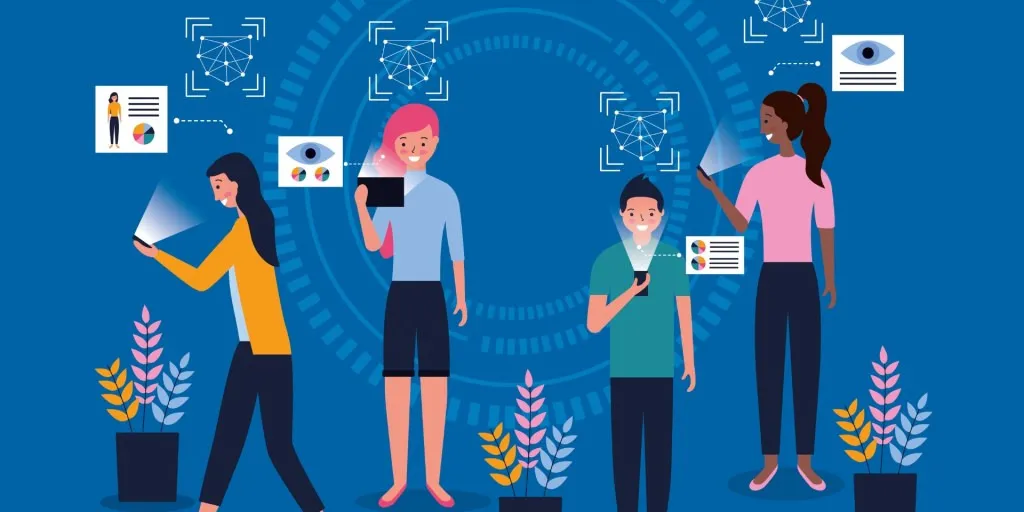
In an era defined by rapid technological advancements and digital transformation, the gender gap in technology remains a persistent and pressing issue. Women continue to be underrepresented in various technology-related fields, including computer science, engineering, and information technology. The time has come for a concerted and collective effort to bridge this gap, as achieving gender parity in technology is not just a matter of equality, but also essential for innovation and societal progress.
The Current State of the Gender Gap
Statistics continue to reflect the gender disparity within the technology sector. According to the World Economic Forum’s Global Gender Gap Report, women’s representation in the technology workforce is notably low, with many tech giants reporting a male-to-female employee ratio that skews heavily towards men. This underrepresentation is further exacerbated when considering leadership roles, where women remain significantly underrepresented.
This gender gap is not solely a result of women’s lack of interest or capability in technology. Numerous studies indicate that societal biases, stereotypes, and workplace environments have contributed to this persistent disparity. Girls and young women often face discouragement or lack of support to pursue STEM (science, technology, engineering, and mathematics) fields from an early age, leading to fewer female candidates entering the technology pipeline.
The Importance of Closing the Gap
Closing the gender gap in technology is not only a matter of social justice but also has profound implications for the tech industry and society at large.
Innovation:
Diversity drives innovation. A diverse workforce brings together a variety of perspectives and ideas, leading to more creative problem-solving and the development of products and services that cater to a broader range of users.
Economic Growth:
The tech sector is a significant driver of economic growth. By harnessing the full potential of the workforce, economies can benefit from increased productivity and competitiveness.
Addressing Biases:
Technology influences various aspects of daily life, from healthcare to finance. Without diverse voices contributing to its development, biased algorithms and products that do not cater to all users can emerge, exacerbating existing inequalities.
Role Models:
Increasing the representation of women in technology provides aspiring female professionals with visible role models, helping to inspire and encourage their pursuit of careers in STEM fields.
A Call to Action
Curatal: Enabling Seamless Tech Hiring
Education and Early Exposure: :
To close the gender gap, it is crucial to provide girls and young women with equal opportunities in STEM education. Initiatives such as coding workshops, robotics competitions, and mentorship programs can help spark interest from a young age.
Challenging Stereotypes:
Society’s stereotypes about women’s roles in technology must be actively challenged. Highlighting the accomplishments of women in tech and showcasing diverse role models can counter these stereotypes.
Inclusive Work Environments:
Tech companies should prioritize creating inclusive and welcoming workplaces. Policies that promote diversity and address biases can foster an environment where women can thrive.
Supportive Networks:
Building networks of support for women in technology can provide a sense of community and resources for professional growth. Women can succeed in their jobs with the aid of networking and mentoring opportunities.
Policy and Advocacy:
Governments, educational institutions, and the private sector should collaborate to implement policies that promote gender equality in technology. This includes measures to ensure equal pay, combat workplace discrimination, and encourage female representation in leadership roles.
Conclusion
Closing the gender gap in technology is a multifaceted endeavor that requires commitment from individuals, organizations, and society as a whole. By recognizing the importance of diversity in driving innovation and societal progress, we can work collectively to create a more inclusive tech landscape where everyone has the opportunity to contribute and excel. It’s time to turn the call to action into tangible change and ensure that women play an integral role in shaping the future of technology.
 Curatal TeamCuratal’s AI agents handle the busywork of hiring, and experienced engineers interview every candidate. We write about interviews, hiring and careers in tech.