Safeguarding Recruitment: Privacy and GDPR Compliance in the Digital Age
Blog4 mins to readBy Curatal Team
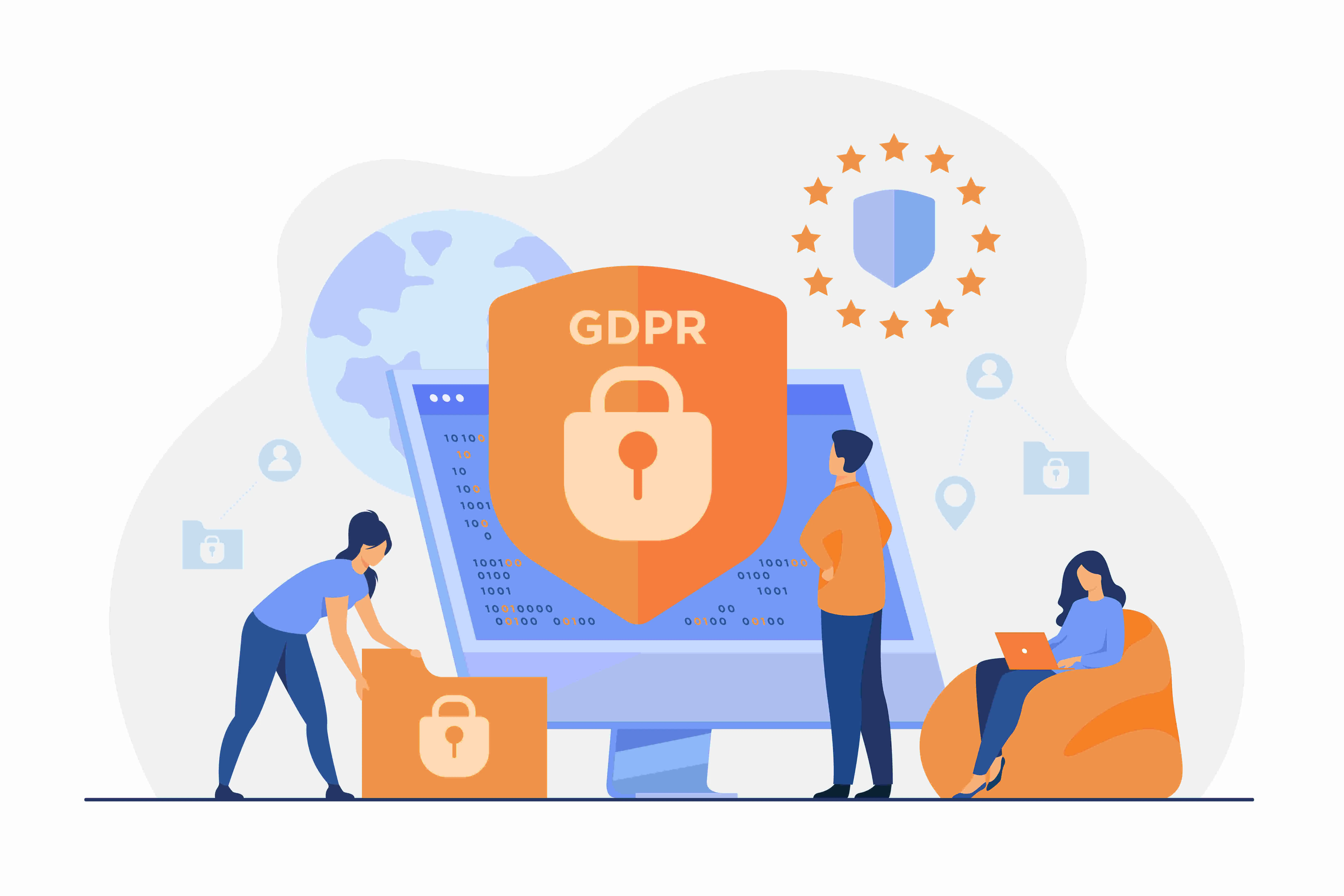
In our increasingly digital world, the recruitment process has undergone a significant transformation. Technology now plays a pivotal role, streamlining hiring operations and expanding the pool of talent. However, with these technological advancements comes an imperative responsibility to uphold privacy and comply with regulations, particularly the General Data Protection Regulation (GDPR). In this article, we will explore the critical importance of privacy and GDPR compliance in recruitment, delving into its significance and offering insights for both candidates and organizations.
Introduction
The Digital Recruitment Landscape
In today’s interconnected world, recruitment has migrated to digital platforms. Resumes and applications are exchanged electronically, interviews are often conducted via video conferencing, and candidate information is stored in databases accessible across the globe. While these advancements enhance efficiency, they simultaneously raise privacy concerns.
The Significance of Privacy in Recruitment
Privacy is a fundamental right, and ensuring it is paramount in recruitment for several reasons:
Sensitive Information Handling:
Recruitment processes involve the collection of personal and often sensitive data. Resumes, references, and background checks all contain private information.
Candidate Trust:
Maintaining privacy is crucial to build and preserve trust between candidates and organizations. A breach of privacy can erode a candidate’s confidence in the recruitment process.
Regulatory Compliance:
GDPR, which came into effect in 2018, sets stringent standards for data protection and the rights of individuals. Non-compliance can lead to substantial fines.
Benefits of GDPR Compliance in Recruitment
Also known as the “right to erasure,” candidates can request the deletion of their data once the recruitment process concludes.
Understanding GDPR in Recruitment
The General Data Protection Regulation, a landmark data privacy law in the European Union, extends its jurisdiction to recruitment processes. Key aspects include:
Lawful Processing:
Data collected during recruitment must have a legitimate and transparent purpose. Candidates should know how their data will be used.
Consent:
Organizations should seek explicit consent from candidates before processing their data. Pre-ticked boxes are no longer acceptable.
Information Minimization:
Gather just the information vital for the planned reason.
Data Security:
Organizations must safeguard candidate data through appropriate security measures and encryption.
Data Access and Portability:
Candidates have the right to access and obtain their data. They can also request that their data be transferred to another organization.
Right to be Forgotten:
Also known as the “right to erasure,” candidates can request the deletion of their data once the recruitment process concludes.
Benefits of GDPR Compliance in Recruitment
GDPR compliance in recruitment is not just a regulatory burden; it also brings substantial advantages:
Enhanced Candidate Trust:
Demonstrating compliance builds confidence among candidates, making them more likely to engage with your organization.
Data Security:
GDPR promotes rigorous data security practices, reducing the risk of data breaches.
Improved Data Management:
Compliance encourages efficient data management, enabling organizations to organize and access candidate data more effectively.
Conclusion
In the age of data-driven recruitment, ensuring privacy and GDPR compliance is not only essential from a legal standpoint but also crucial for building trust and safeguarding sensitive information. Organizations that prioritize privacy will not only protect themselves from hefty fines but will also attract and retain candidates who feel secure in their data’s care.
Balancing the convenience and efficiency of modern recruitment technology with GDPR’s demands is a dynamic challenge. However, it is one that organizations must address with diligence and respect for the rights of candidates. Privacy, after all, is not just a legal requirement but a fundamental aspect of respecting individuals in an increasingly data-centric world.
 Curatal TeamCuratal’s AI agents handle the busywork of hiring, and experienced engineers interview every candidate. We write about interviews, hiring and careers in tech.